

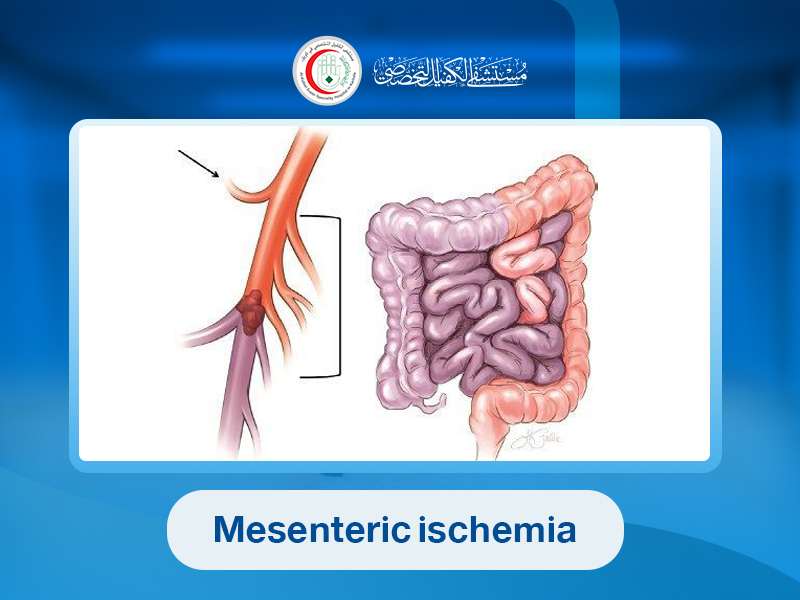
Mesenteric ischemia is a pathological condition characterized by the narrowing or obstruction of the arteries supplying blood to the intestines, leading to permanent damage and infection.
The main arteries responsible for intestinal blood supply are called the mesenteric arteries. Any dysfunction in these arteries—such as the formation of blood clots—can result in mesenteric ischemia, the severity of which varies from case to case.
Types of Mesenteric Ischemia
There are two main types of mesenteric ischemia:
1. Acute Mesenteric Ischemia
This type occurs when clots accumulate within the mesenteric arteries, leading to reduced or completely blocked blood flow to the intestines. In some cases, the condition may be transient, resolving spontaneously if the clot dislodges.
Diagnosing acute mesenteric ischemia can often be delayed due to the slow onset of symptoms. By the time symptoms appear, all three major blood vessels supplying the intestines may have already progressed to a stage of infection.
2. Chronic Mesenteric Ischemia
This type is considered more dangerous as it results in a continuous and permanent reduction in intestinal blood supply. It is often caused by fragmented blood clots, which deposit as small emboli within the arteries, leading to significant obstruction. Chronic mesenteric ischemia frequently develops as a complication of untreated acute mesenteric ischemia.
Symptoms of Mesenteric Ischemia
Since the total blood flow to the intestines varies from 25% during fasting to 35% after eating, symptoms are typically more pronounced after meals in both types of mesenteric ischemia. Below is a detailed overview of symptoms based on the type:
1. Symptoms of Acute Mesenteric Ischemia
Urgent need to defecate despite the absence of stool.
Fever.
Sudden and severe abdominal pain.
Nausea and vomiting.
2. Symptoms of Chronic Mesenteric Ischemia
Pain:
Abdominal pain gradually begins 15 to 30 minutes after eating and typically lasts about 30 minutes.
As the obstruction worsens, persistent abdominal pain occurs throughout the day.
Due to the severity of pain, patients may develop a fear of eating to avoid discomfort.
Other Symptoms:
Nausea.
Vomiting.
Diarrhea.
Causes and Risk Factors of Mesenteric Ischemia
1. Causes of Mesenteric Ischemia
The primary causes of mesenteric ischemia include:
Blood Clots:
Acute mesenteric ischemia often results from sudden clot formation in a major mesenteric artery.
If the clot burden increases significantly, it can lead to chronic mesenteric ischemia due to complete arterial occlusion.
Other Causes:
Mesenteric artery dissection.
Vasculitis.
Fibromuscular dysplasia.
Radiation exposure.
Cocaine use.
2. Risk Factors for Mesenteric Ischemia
Several factors can increase the likelihood of developing mesenteric ischemia, including:
Age: Individuals over 60 years are at higher risk.
Gender: Women are three times more likely than men to develop mesenteric ischemia.
Preexisting Medical Conditions: These include:
Hypertension or hypotension.
Heart diseases such as coronary artery disease, heart failure, valvular disease, and atrial fibrillation.
High cholesterol and triglycerides.
Pancreatitis.
Diverticulitis.
Rheumatic diseases.
Kidney failure.
Complications of Mesenteric Ischemia
The complications of mesenteric ischemia, particularly chronic cases, can be severe and life-threatening:
1. Weight Loss
Significant weight loss is common due to food avoidance to prevent postprandial pain.
2. Multiorgan Damage
Prolonged arterial obstruction leads to necrosis in the affected intestinal segment. If left untreated, sepsis occurs, allowing bacteria to spread through the bloodstream, potentially causing:
Brain infections.
Eye infections.
Heart infections.
Bone infections.
3. Intestinal Necrosis
Intestinal death due to inadequate blood supply is inevitable if the condition is not diagnosed and treated early.
Both intestinal necrosis and sepsis often result in mortality if medical intervention is delayed.
Prevention of Mesenteric Ischemia
There is no definitive way to prevent mesenteric ischemia entirely. However, the following guidelines may help reduce the risk:
Regular medical check-ups to facilitate early detection and reduce complications.
Smoking cessation.
Avoiding drug abuse and seeking addiction treatment if necessary.
Engaging in physical exercise for at least 30 minutes daily.
Staying hydrated by consuming at least 8 cups of water per day.
Managing chronic diseases by adhering to prescribed treatments, especially for diabetes, hypertension, and high cholesterol.
Seeking immediate medical attention if abdominal pain consistently occurs after eating.