


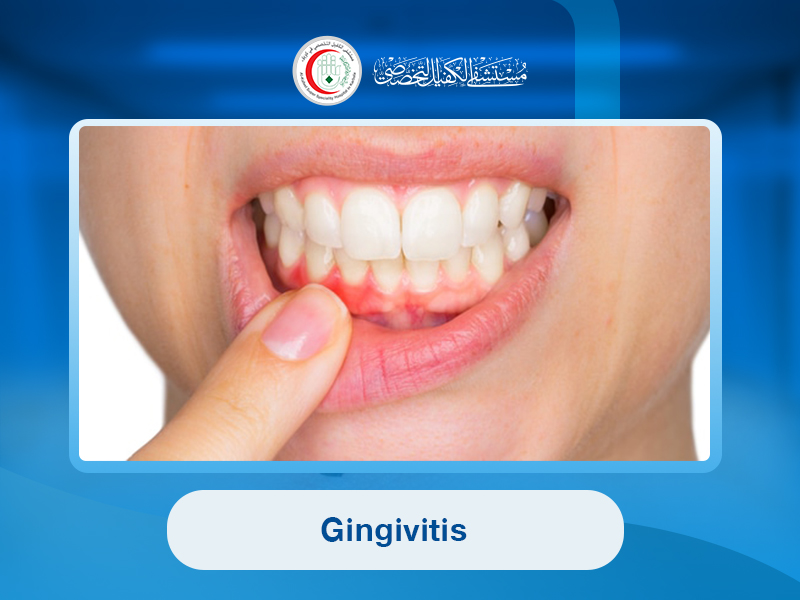
Gingivitis, often referred to as gum disease or periodontal disease, is an
inflammatory condition caused by the accumulation of bacteria in the oral
cavity. If left untreated, it can lead to the destruction of the tissue
surrounding the teeth and ultimately result in tooth loss.
Although the symptoms of gingivitis are generally mild in its early stages, the condition is commonly accompanied by several distinctive clinical signs, which include:
Bleeding gums when brushing
Redness, swelling, and increased sensitivity of the gums
Persistent bad breath or an unpleasant taste in the mouth
Formation of deep pockets between the gums and teeth
Tooth mobility or loss
Changes in tooth positioning and bite alignment
Displacement of dental prostheses or crowns
Causes and Risk Factors of Gingivitis
1.
Hormonal Changes
Hormonal fluctuations—such as those occurring during pregnancy, puberty,
menopause, or menstruation—can increase gum sensitivity and the risk of
gingival inflammation.
2.
Certain Medications
Some medications may reduce saliva production or cause abnormal gum tissue
development. Since saliva plays a protective role in maintaining oral health,
its deficiency can contribute to the onset of gingivitis.
3.
Harmful Habits
Habits like smoking impair the natural healing and regenerative abilities of
gum tissue, increasing the risk of periodontal disease.
4.
Poor Oral Hygiene
Neglecting to brush teeth regularly or failing to use dental floss allows
bacterial plaque to accumulate, leading to inflammation of the gums.
5.
Family History
A family history of gum disease may increase susceptibility to gingivitis due
to genetic predisposition.
6.
Underlying Health Conditions
Systemic illnesses may affect gum health. These include:
Cancer
HIV/AIDS, which weakens the immune system
Diabetes, which compromises the body’s ability to process sugars and makes individuals more vulnerable to oral infections such as gingivitis
Complications of Gingivitis
If left untreated, gingivitis may progress and cause various complications, including:
1. Recurrent gum abscesses
2. Damage to the periodontal ligament, which anchors the tooth to the socket
3. Destruction and loss of the alveolar bone (jawbone that houses the teeth)
4. Gum recession
5. Tooth looseness
6. Tooth loss
Preventive Measures for Gingivitis
1.
Brushing
Brushing teeth helps remove bacterial plaque from tooth surfaces and prevents
its accumulation.
2.
Flossing
Dental floss assists in cleaning between teeth and beneath the gumline,
removing food debris and bacteria from hard-to-reach areas.
3.
Mouthwash
According to the American Dental Association, using antibacterial mouthwash can
reduce the bacterial load in the mouth and help prevent the formation of plaque
and gum inflammation.
4.
Healthy Habits
Incorporating healthier daily practices can reduce the risk and severity of
gingivitis. These include:
Quitting smoking
Managing psychological stress
Maintaining a balanced diet
Avoiding excessive clenching or grinding of the teeth