

(Causes, Symptoms, and Treatment)
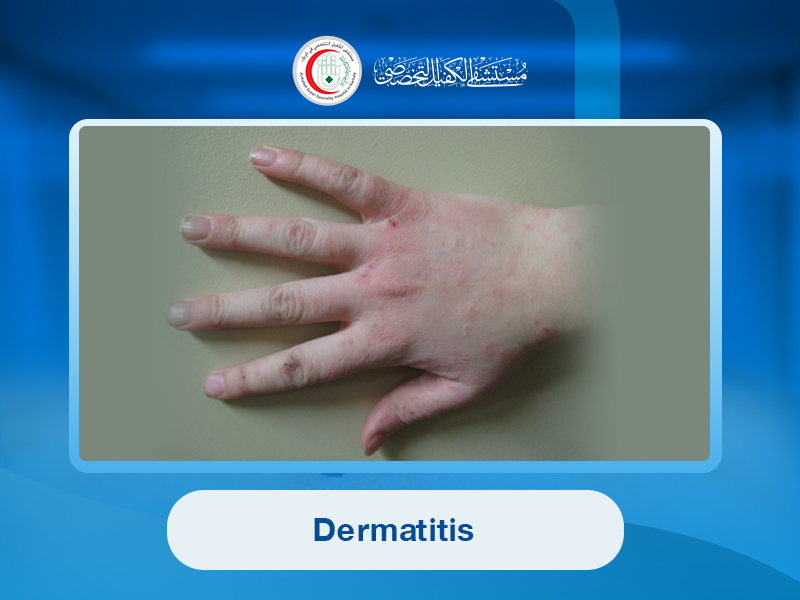
Dermatitis is a common skin condition that leads to swelling, irritation, and inflammation of the skin. It has various causes and types and often presents as itching, dryness, or a rash. In some cases, it can cause blisters, sores, pus discharge, peeling, or cracking of the skin.
Important: Dermatitis is not contagious, but it can cause significant discomfort. Regular moisturizing can help control symptoms, and treatment may involve medicated creams, ointments, or shampoos.
Symptoms of Dermatitis
Different types of dermatitis affect different parts of the body. Common symptoms include:
Itching, which can sometimes be severe and painful.
Dry, cracked, or peeling skin, more noticeable in lighter skin tones.
Rashes that may appear red, brown, or gray, depending on skin color.
Blisters, sometimes with oozing and peeling.
Dandruff and flaky scalp.
Thickened skin due to chronic scratching.
Small raised bumps, more common on darker skin tones.
Complications of Dermatitis
If left untreated, dermatitis can lead to:
Skin ulcers and sores.
Bacterial or fungal skin infections.
Severe itching and discomfort.
Dark or light skin patches.
Treatment of Dermatitis
The treatment for dermatitis depends on the severity of symptoms and can include:
Topical creams → Help reduce inflammation and soothe the skin.
Immunosuppressive creams → Reduce the immune system’s overreaction.
Light therapy → Controlled exposure to natural or artificial light.
Oral medications → Used in severe cases, prescribed by a doctor.
Prevention of Dermatitis
To minimize the risk of developing dermatitis:
Wear protective clothing when handling chemicals or irritants.
Use fragrance-free detergents and soaps to prevent skin irritation.
Pat the skin dry gently after bathing, avoiding excessive rubbing.
Moisturize regularly with hypoallergenic creams to keep the skin hydrated.