


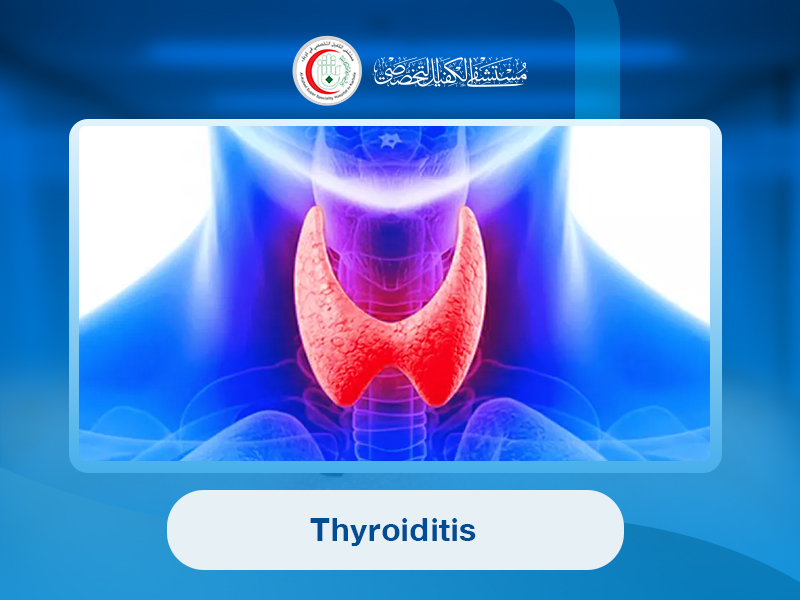
The Thyroid Gland:
The thyroid gland is butterfly-shaped, weighing approximately 15 to 20 grams, and is located at the front of the lower neck between the Adam’s apple and the collarbone. It is responsible for producing several hormones that regulate metabolism—the process by which the body burns fuel to generate energy.
Thyroiditis refers to inflammation of the thyroid gland, which disrupts hormone levels and may result in either overproduction or underproduction of thyroid hormones. The inflammation causes the gland to swell, potentially impairing its function.
Stages of Thyroiditis:
Thyroiditis typically progresses through three stages:
- Thyrotoxic Phase: In this initial phase, the inflamed thyroid gland releases an excessive amount of thyroid hormones.
- Hypothyroid Phase: A few weeks or months later, hormone levels drop, and the gland produces insufficient hormones.
- Recovery Phase: During this phase, thyroid hormone levels return to normal. This may occur after the thyrotoxic phase or once the inflammation has resolved.
Types of Thyroiditis:
1. Hashimoto’s thyroiditis
2. Silent (painless) thyroiditis
3. Postpartum thyroiditis
4. Radiation-induced thyroiditis
5. Subacute thyroiditis
6. Acute thyroiditis
7. Drug-induced thyroiditis
When the thyroid gland is impaired, it may fail to produce essential hormones such as thyroxine (T4) and triiodothyronine (T3), the latter of which is converted into T4 in body tissues. These hormones increase energy expenditure, support cellular metabolism, regulate the exchange of sugars, proteins, and fats, enhance blood circulation, and aid digestion.
Hormonal Imbalances of the Thyroid Gland:
1. Hypothyroidism (Underactive Thyroid):
This condition occurs when the thyroid fails to produce adequate amounts of
hormones.
Common symptoms include:
- Fatigue, lethargy, and persistent tiredness
- Cold intolerance
- Hair loss, dry and flaky skin
- Chronic constipation and unexplained weight gain despite poor appetite
- Bradycardia and irregular heartbeat
- Neck swelling
- Slow cognition and difficulty in reasoning
- Muscle weakness and impaired mobility
2. Hyperthyroidism (Overactive Thyroid):
This condition results from excessive hormone production, primarily due to
thyroid nodules or autoimmune disorders such as Graves’ disease.
Common symptoms include:
- Rapid heart rate
- Elevated blood pressure
- Psychological discomfort
- Unexplained weight loss
- Excessive sweating
- Persistent diarrhea
- Hair loss
- Depression and insomnia
Complications of Thyroiditis:
Depending on severity, thyroiditis can lead to several complications, including:
- Tachycardia
- Severe nervousness and emotional lability
- Sleep disturbances
- Excessive sweating
- Unexplained weight loss
- Heat intolerance
- Persistent anxiety and tension
Tips for Maintaining Thyroid Health:
General dietary and lifestyle recommendations for supporting thyroid health include:
- Following a balanced diet rich in fruits, vegetables, and whole grains
- Choosing low-fat protein sources such as fish and legumes
- Using healthy fats like olive oil
- Reducing intake of unhealthy fats, such as saturated fats from animal products and trans fats in processed foods and margarine
- Prioritizing polyunsaturated fats from plant oils and omega-3 fatty acids found in oily fish like salmon
- Incorporating seeds and nuts as healthy snack options
- Minimizing consumption of sugary drinks, chips, sweets, and other high-calorie, nutrient-poor foods
- Increasing dietary fiber, which supports digestive health and is found in vegetables, fruits, and whole grain products like brown bread and brown rice