


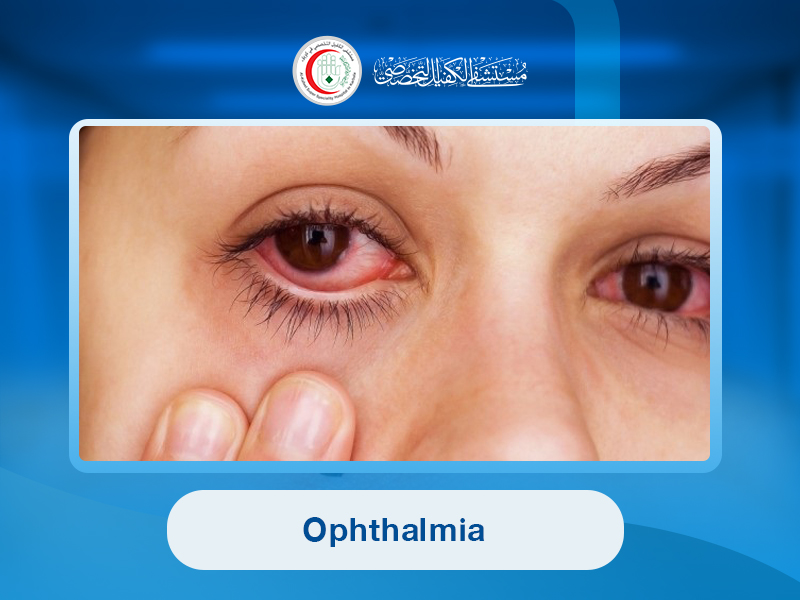
Causes, Symptoms, and Prevention
Uveitis is an inflammatory condition that affects the uvea, which includes the middle layers of the eye. These layers resemble a grape cluster, hence the name "uvea."
Nature and Progression of Uveitis
Uveitis is often a chronic disease, requiring long-term medical monitoring, sometimes for a lifetime. It can:
Remain stable or worsen over the years.
Occur in sudden flare-ups, with or without warning signs.
Disappear completely without recurrence, but still requires medical follow-up for several years.
Despite proper medical treatment, uveitis remains a leading cause of vision impairment in the Western world. In some cases, it may progress and cause severe visual damage.
Symptoms of Uveitis
The main symptoms include:
Eye pain
Blurred vision
Redness of the eyes
Causes and Risk Factors of Uveitis
Several factors can lead to uveitis, including:
Autoimmune diseases
Uveitis often results from an immune system malfunction, where the body mistakenly attacks its own eye tissues.
This autoimmune reaction can cause chronic inflammation in the eye.
Bacterial or Viral Infections
Some cases are caused by parasitic, bacterial, viral, or fungal infections.
Infection may reach the eye directly after eye surgery or through the bloodstream in rare cases.
Complications of Uveitis
Uveitis can lead to serious complications, either due to the disease itself or due to treatment side effects, such as:
Glaucoma (increased eye pressure)
Cataracts (clouding of the eye's lens)
Both conditions may result from the inflammation itself or as a side effect of steroid treatment.
Prevention of Uveitis
Although uveitis cannot always be prevented, you can reduce the risk by:
Treating underlying autoimmune diseases.
Managing infections promptly.
Following medical advice for controlling inflammation.
Regular eye check-ups are essential for early detection and effective management of uveitis.