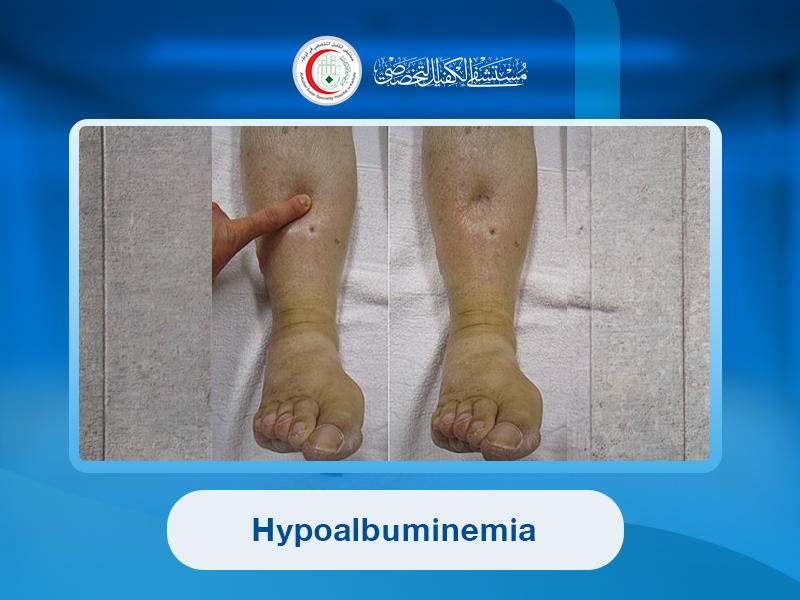
Hypoalbuminemia is a condition that occurs when the level of albumin in the blood is too low, typically below 3.4 g/dL (grams per deciliter). The normal blood albumin level ranges from 3.4 to 5.4 g/dL.
Albumin is a protein produced by the liver and released into the bloodstream. It makes up a significant portion of blood plasma, the liquid component of blood that carries proteins and blood cells.
As the main protein in blood plasma, albumin plays several important roles, including maintaining pressure within blood vessels and transporting substances throughout the body, such as hormones and medications. Therefore, when albumin levels are low, the blood may not be able to transport essential substances effectively.
It is important to note that when liver function is normal, the body can compensate for low albumin levels by increasing albumin production in the liver. Hypoalbuminemia usually develops only when the rate of albumin loss exceeds the liver’s ability to produce it.
Symptoms of Hypoalbuminemia
People with hypoalbuminemia may experience a wide range of symptoms, such as confusion, dizziness, and low energy levels, particularly if malnutrition is present.
Common symptoms include:
• Excess protein in the urine detected during urinalysis.
• Fluid retention causing swelling, especially in the feet, legs, or hands.
• Jaundice (yellowing of the skin or eyes).
• Weakness or fatigue.
• Rapid heartbeat.
• Vomiting, diarrhea, and nausea.
• Changes in appetite.
• Thinning hair.
• Dry and itchy skin.
It is important to note that these symptoms can resemble those of many other conditions, making it impossible to diagnose hypoalbuminemia based on symptoms alone.
Causes and Risk Factors of Hypoalbuminemia
A variety of health conditions can cause hypoalbuminemia. Identifying the underlying cause is essential for determining the most appropriate treatment.
1. Liver Failure
The liver is the body's only source of albumin production. For this reason, albumin testing is often included in liver function assessments.
Several liver diseases can lead to liver failure, including:
• Cirrhosis.
• Liver cancer.
• Hepatitis, often caused by viral infections.
• Alcohol-related liver disease.
• Fatty liver disease.
2. Kidney Disease
Poor kidney function, particularly chronic kidney disease (CKD), can lead to low albumin levels.
Kidney disorders may cause excessive amounts of protein to leak into the urine, a condition known as albuminuria. This loss of protein from the bloodstream can result in hypoalbuminemia.
3. Heart Failure
Some individuals with severe heart failure have reduced albumin levels, although the exact reason for this association is not fully understood.
4. Malnutrition
Failure to consume enough essential nutrients or conditions that impair nutrient absorption can lead to hypoalbuminemia.
Some people undergoing chemotherapy may also develop malnutrition.
5. Protein-Losing Enteropathy
Certain gastrointestinal diseases, such as celiac disease and inflammatory bowel disease (IBD), can cause excessive protein loss through the digestive tract.
This may result in a condition known as protein-losing enteropathy, which can lower albumin levels.
6. Thyroid Disorders
Various thyroid diseases can affect the immune system and contribute to decreased albumin levels.
7. Whipple Disease
Whipple disease is a rare bacterial infection that affects the joints and digestive system, reducing the body's ability to digest and absorb nutrients. In these cases, albumin levels may fall below normal.
8. High-Protein Diets
Some studies have reported lower albumin levels in individuals whose diets contain extremely high amounts of protein.
9. Other Causes
People may also develop hypoalbuminemia as a result of:
• Severe burns.
• Bloodstream infections (sepsis).
• Allergic reactions.
• Lupus.
• Diabetes.
• Certain medications, including oral contraceptive pills.
Complications of Hypoalbuminemia
Potential complications include:
• Worsening of other underlying diseases. For example, a 2015 study found that people with chronic obstructive pulmonary disease (COPD) and hypoalbuminemia were more likely to develop respiratory failure.
• Fluid accumulation, including fluid around the lungs and in the abdomen.
• Pneumonia.
• Muscle damage and muscle wasting.
• Reduced effectiveness of certain medications that require albumin for transport in the bloodstream.
Diagnosis of Hypoalbuminemia
A blood albumin test (ALB) is commonly recommended when liver or kidney dysfunction is suspected.
Albumin testing is also included in the Comprehensive Metabolic Panel (CMP), a routine test that evaluates blood sugar levels, liver function, kidney function, and overall metabolic health.
The test is performed by drawing a blood sample from a vein in the arm. It is generally safe, with only minor discomfort from the needle and possible mild bruising at the puncture site.
If abnormal results are found and kidney, liver, or intestinal disease is suspected, additional imaging studies and diagnostic tests may be required. A review of dietary habits and medications may also be performed.
Treatment of Hypoalbuminemia
The most effective treatment for hypoalbuminemia is addressing the underlying cause. Therefore, patients may require several tests to determine why albumin levels are low.
Additional treatment strategies may include:
• Intravenous albumin administration to increase blood albumin levels.
• Blood pressure medications for people with kidney disease or heart failure.
• Lifestyle modifications, particularly avoiding alcohol in people with liver disease.
• Medications to manage chronic gastrointestinal disorders or reduce inflammation.
• Antibiotics for patients who develop hypoalbuminemia following severe burns.
• Dietary modifications to reduce the severity of heart or kidney disease.
• Organ transplantation for patients whose hypoalbuminemia is caused by organ failure. Individuals with kidney failure may require dialysis while waiting for a kidney transplant.
People with severe hypoalbuminemia may need hospitalization and close monitoring until their condition improves.
Prevention of Hypoalbuminemia
1. Follow a Healthy Diet
Consuming adequate protein, at least 0.8 grams per kilogram of body weight per day, helps support normal albumin production.
Foods rich in protein include:
• Meat.
• Milk.
• Cheese.
• Eggs.
• Fish.
• Greek yogurt.
Some nutritional supplements and meat substitutes may also contain albumin or high-quality protein.
However, certain underlying diseases may impair the absorption and use of albumin and other nutrients. As a result, hypoalbuminemia can still occur despite adequate protein intake.
2. Limit Alcohol Consumption
Doctors generally recommend reducing or completely avoiding alcohol consumption, as alcohol can lower blood protein levels and worsen symptoms.
3. Treat Underlying Medical Conditions
Managing underlying diseases can help prevent hypoalbuminemia. For example, people with kidney disease may benefit from blood pressure medications such as Captopril, which can help reduce albumin loss through the urine.


-
Celebration of Imam Ali’s Birth Anniversary
Medical Units for Arbaeen Pilgrimage
Celebration of the Prophet Muhammad's (PBUH) Birth Anniversary
Celebration of Lady Zainab's (peace be upon her) Birth Anniversary
Bringing Joy to Patients on the Occasion of Imam Ali’s (peace be upon him) Birth Anniversary
Alkafeel Hospital Celebrates the Birth Anniversary of Imam Hussein (peace be upon him)
Joy Fills Alkafeel Hospital on the Birth Anniversary of Abu Al-Fadl Al-Abbas (peace be upon him)
Al-Kafeel Hospital participates in Arbaeen pilgrimage
-
Job Fair Participation at Al-Kafeel University
First Al-Kafeel Symposium on Musculoskeletal and Spine Surgery
IT Forum in Dhi Qar
University of Al-Kafeel Scientific Conference
Baghdad International Fair
Alkafeel Hospital Participates in the Sixth International Medical Sciences Conference at Al-Kafeel University
Alkafeel Hospital Participates in Iraq’s First Medical Tourism Conference, Affirming Its Pioneering Role in Health Sector Development
-
Training Lecture on Hospital Hospitality Services
Civil Defense Training Program
Training Program for Sama Karbala Foundation Staff
Workshop for Administrative Development Academy Trainees
Training for Turkish Hospital Medical Staff
Cervical Cancer screening Workshop
Scientific workshop for anesthesia students
Nursing Workshop for Dhi-Qar Province
Workshop on Quality and International Accreditation Standards
Hand Hygiene Training Workshop
Laboratory Training for Sama Karbala Foundation Staff
Wound Care Training for University Students
Scientific Workshop on General Surgery
Scientific Lecture on European Society of Cardiology Guidelines
Surgical Suturing Workshop for Medical Students
Accounting System Workshop for Administrative Development Academy Students
Risk Management Training
Training on Electrocardiography and Cardiac Arrhythmia Management
Proper Handwashing Techniques Workshop
Educational Lecture on Benign Prostatic Hyperplasia
Interactive Lecture for Medical Students of Al-Ameed University
Training on Cardiopulmonary Resuscitation for Dental Students
Security Staff Training on Explosives Detection Device “ID”
Delegation of Biomedical Engineering Students from Al-Safwa University
Human Resources Workshop for Hospital Departments
Radiation Protection Training Course
Quality of Medical Services Presentation
Fire Safety Training Workshop
Scientific Workshop on "Patient Safety"
Research Development Initiatives
Medical Training Workshop for University Students
Accounting Department Workshop
First Aid Training Workshop
Awareness Lecture on Early Breast Cancer Detection for Al-Siddiqa Al-Tahira Center
Training Program for Karbala Health Directorate Staff
Crisis Management and Fire Safety Training for Staff
Emergency Nursing Response Workshop
Students of the Administrative Development Academy Meet to Discuss the "Healthy Hospital" Project at Alkafeel Hospital
Successful Workshop on Workplace Etiquette Held at Alkafeel Hospital
Alkafeel Hospital Enhances Patient Satisfaction Through Specialized Training Course
Alkafeel Hospital Organizes Training Workshop to Enhance Anesthesiologists' Competency
Successful Breast Cancer Awareness Lecture at Alkafeel Hospital
Successful Workshop on PET Scan Technology Held at Alkafeel Hospital
Alkafeel Hospital Enhances Pharmacy Students’ Practical Skills
Alkafeel Hospital Emphasizes the Importance of Early Detection of Breast Cancer
Director of Alkafeel Hospital Discusses Development Strategies with General Surgery Team
Alkafeel Hospital Administration Strengthens Collaboration with Neurosurgery Team
Parliamentary Committee Commends Services at Alkafeel Hospital
Successful Workshop on Safety Practices Concludes at Alkafeel Hospital
Alkafeel Hospital Hosts Specialized Workshop on “Rezūm” Technology for Treating Benign Prostatic Hyperplasia
Alkafeel Hospital Enhances Efficiency of Its Human Resources Department
Organizational Meeting to Clarify the 2025 Postgraduate Application Process
Al-Kafeel Hospital Trains Its Staff on Safety and Evacuation Procedures
Sheikh Salah Al-Karbalai Delivers Religious Lecture to Alkafeel Staff
Alkafeel Training Center Concludes a Successful Scientific Day in Dentistry
Civil Defense Training at Alkafeel Hospital
English Debate at the Nursing Department
Meeting between Al-Kafeel Hospital and Al-Zaki Hospital in Babylon
Al-Kafeel Hospital participates in a workshop on Mass-Care Nursing
-
Spinal Surgery Patient Referrals
Spanish University Delegation Visit
Visit by Iraqi Ministry of Interior Delegation
Collaboration with Anwar Sheikha Hospital
Visit by College of Medicine, University of Diyala
Visit by Iraqi Ministry of Health Delegation
Shiraz University Delegation Visit
Visit by Faculty of Science – University of Karbala
Treatment of Pediatric Cardiac Patients
Memorandum of Understanding with Aster Medical Group
Delegation from Shahid Rajaei Hospital, Iran
Dr. Jassim Al-Ibrahimi Meets with Ministry of Health Referral Committee
Delegation of Medical Devices Students from Al-Mustaqbal University
Delegation of Medical Physics Students from University of Karbala
Student Delegation from Warith University
Meeting Between Dr. Jassim Al-Ibrahimi (CEO) and Department Heads
Visit by Croatian Academic Delegation
Meeting Between Al-Kafeel and Al-Battat Hospitals
Visit by Ministry of Health Delegation
Admission of Spinal Surgery Patients
Pediatric Cardiac Surgery Referrals
Meeting with Medical Students – Al-Ameed University
Collaboration with Karbala Nursing Syndicate
Visit by Al-Nahrain University Students
Dr. Jassim Al-Ibrahimi (CEO) Meets Top English Language Graduates
Visit by Al-Mustaqbal University Students
Alkafeel Hospital Holds Meeting with Dr. Moataz, Specialist in Internal Medicine
Alkafeel Hospital and Ministry of Water Resources Collaborate to Promote Public Health
High-Level Georgian Delegation Visits Alkafeel Hospital
French Delegation Visits Alkafeel Hospital: Toward Advanced Medical Collaboration
"A Leading Partnership to Support the Future of Engineers": Alkafeel Hospital Signs Cooperation Agreement with the College of Engineering at the University of Karbala
Alkafeel Hospital Provides Medical Care to the Blind Football Federation Players
High-Level Swiss Delegation Visits Alkafeel Hospital
Al-Nahrain University and Alkafeel Hospital Discuss Prospects for Joint Cooperation
President of the University of Babylon Explores Alkafeel Hospital’s Services and Discusses Future Cooperation
Alkafeel Hospital Commends the Civil Defense Directorate for Their Support
High-Level Georgian Delegation Visits Alkafeel Hospital
Academic Collaboration Between the University of Karbala and Alkafeel Hospital
Prospective Academic Cooperation Between the University of Karbala and Alkafeel Hospital
Ministry of Health Delegation Praises Dental Center at Alkafeel Hospital
Ongoing Collaboration Between Alkafeel Hospital and the Ministry of Health in Corneal Transplantation
Alkafeel Hospital Receives a New Group of Spinal Deformity Patients
Academic Delegation Praises Alkafeel Hospital
Expanding Health Insurance Coverage: Discussions Between the Al-Abbas Shrine and the Ministry of Health
Delegation from the Imamia Medics International Visits Alkafeel Hospital
Productive Academic Collaboration Between Al-Kafeel Hospital and the University of Babylon
College of Tourism at Al-Mustansiriya University: Al-Kafeel Hospital Sets a Distinguished Standard in Hospitality Services
Al-Kafeel Hospital Hosts Medical Delegation from Al-Muthanna Hospital
Citizens: Alkafeel is a Pioneer in Pediatric Cardiac Surgery and an Alternative to Medical Travel Abroad
Alkafeel Hospital Opens New Avenues of Collaboration with Maysan Health Directorate
Algerian Delegation Explores Alkafeel Hospital’s Advanced Medical Technologies
Qatari Delegation Visits Alkafeel Hospital to Discuss Joint Collaboration
Alkafeel Hospital Launches a Successful Vision Care Initiative in Maysan
Signing of a Cooperation Agreement between Alkafeel Hospital and the University of Karbala
Visit of Al-Ameed University Students to Alkafeel Hospital
Eye Examinations and Treatment for Students from Maysan Schools at Alkafeel Hospital
Visit of the Health Insurance Authority Delegation to Alkafeel Hospital
Alkafeel Hospital and Marina Al-Ahly Hospital Sign Memorandum of Understanding
Visit of Dr. Jassim Al-Ebrahimi to Marina Surgical Hospital
Al-Kafeel Hospital prepares for the Health Insurance Program
Link copied