


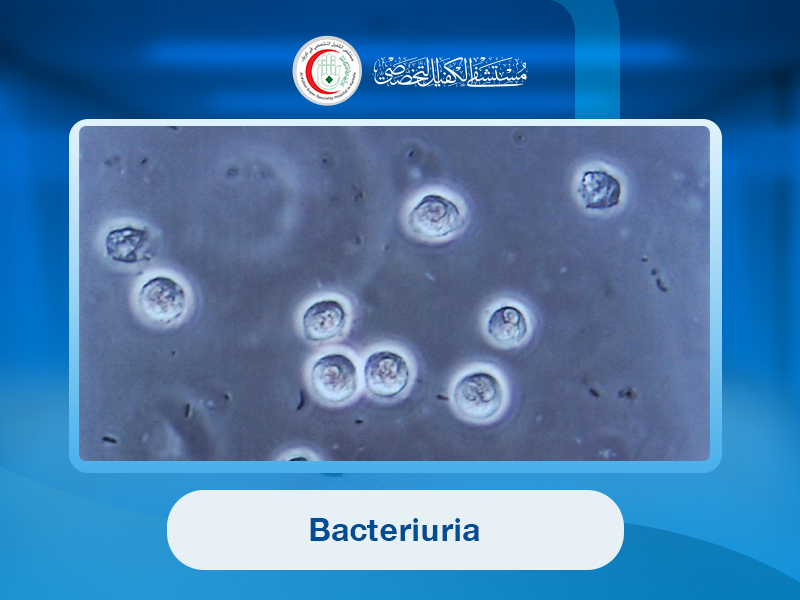
Under normal conditions, urine is sterile, meaning it does not contain bacteria. Bacteriuria may be a sign of a urinary tract infection (UTI), although bacteria can sometimes be present in the urine without causing an infection.
The presence of bacteriuria can contribute to the development and persistence of urinary tract infections in some individuals and may lead to recurrent infections.
Certain types of bacteria can grow in the urinary tract when conditions are favorable for their growth and multiplication.
The types of bacteria found in the urinary tract may change over time, and the bacterial species involved can vary as an infection progresses.
Normally, most bacteria that enter the urine are eliminated. However, some bacteria possess specific characteristics that allow them to survive and multiply within the urinary tract.
Treatment may involve the use of antibiotics, particularly in individuals at high risk of developing urinary tract infections, such as pregnant women and people with weakened immune systems.
Symptoms of Bacteriuria
Important points regarding the symptoms of bacteriuria include:
Patients with bacteriuria may develop symptoms similar to those of a lower urinary tract infection, including:
- Frequent urination and a strong urge to urinate.
- Pain or burning during urination (dysuria).
- Pain above the pubic bone (suprapubic pain).
- Changes in mental status.
- Fatigue.
- Irritability.
- General discomfort or malaise.
- Nausea.
- Headache.
- Abdominal pain.
- Back pain.
Individuals with upper urinary tract infections may experience the same symptoms listed above, in addition to:
- Fever.
- Flank pain (pain in the side of the body between the ribs and hip).
People with urinary tract infections may also notice urine that is:
- Cloudy.
- Dark-colored.
- Bloody.
- Foul-smelling.
Causes and Risk Factors of Bacteriuria
Important information regarding the causes and risk factors of bacteriuria includes:
Bacteria that may cause bacteriuria include:
- Escherichia coli (E. coli).
- Enterococcus species.
- Candida species.
Some individuals with bacteriuria have no symptoms at all, while others may develop symptoms that require treatment.
Several factors can increase the risk of developing bacteriuria, including:
Age
The risk increases in people over the age of 65 years.
Certain Medical Conditions
The likelihood of bacteriuria is higher in individuals with:
- Long-term urinary catheter use.
- Neurogenic bladder.
- Urinary diversion procedures.
Sex
Women, particularly after menopause, are more likely to develop bacteriuria because of changes in the vaginal environment and reduced acidity.
In general, women are also more prone to urinary tract infections than men.
Complications of Bacteriuria
In most cases, bacteriuria does not cause complications if it does not lead to a urinary tract infection. However, when infection develops, complications may include:
- Recurrent urinary tract infections, especially in women who experience multiple infections within a short period.
- Permanent kidney damage caused by severe or chronic kidney infections or untreated urinary tract infections.
- Increased risk of delivering a low-birth-weight baby in pregnant women.
- Urethral narrowing (urethral stricture) in men due to recurrent urethral infections.
- Sepsis (bloodstream infection), a life-threatening condition that may occur if the infection spreads upward through the urinary tract to the kidneys.
Diagnosis of Bacteriuria
Important points regarding diagnosis include:
Asymptomatic bacteriuria is diagnosed through a urine culture obtained from a properly collected midstream clean-catch urine sample.
- For women, two consecutive urine samples are usually collected, with the same bacterial species isolated from both samples.
- For men, a single urine sample with one bacterial species is generally sufficient.
Urinalysis, along with white blood cell testing, can help support the diagnosis.
Pregnant women should be screened for asymptomatic bacteriuria using urine culture, typically near the end of the first trimester of pregnancy.
Screening may also be recommended in certain situations, including:
- Patients undergoing urological procedures expected to cause mucosal bleeding, such as prostate surgery.
- Patients within the first few months following a kidney transplant.
Treatment of Bacteriuria
Important considerations regarding treatment include:
- Most people with asymptomatic bacteriuria do not develop urinary tract infections and experience no harmful consequences.
- Children, people with diabetes, older adults, individuals with spinal cord injuries, and those with long-term indwelling urinary catheters generally do not benefit from antibiotic treatment for asymptomatic bacteriuria. In fact, unnecessary antibiotic use may contribute to antibiotic resistance.
- In contrast, treating asymptomatic bacteriuria during pregnancy has been shown to be beneficial, as it reduces the risk of serious kidney infections and lowers the likelihood of delivering a low-birth-weight infant.
Common antibiotics used during pregnancy include:
- Amoxicillin.
- Cefuroxime.
- Cephalexin.
- Nitrofurantoin.
These medications are generally considered safe during pregnancy. Treatment usually lasts between 3 and 7 days, followed by a repeat urine test to ensure that the infection has been completely cleared.
Prevention of Bacteriuria
The following measures may help reduce the risk of bacteriuria:
- Drink plenty of fluids, especially water, to dilute the urine and promote frequent urination, helping flush bacteria from the urinary tract before they can cause infection.
- Drinking cranberry juice may be beneficial, although strong evidence for preventing urinary tract infections is limited. It is generally considered safe.
- Wipe from front to back after urination or bowel movements to prevent bacteria from spreading from the anal area to the urethra or vagina.
- Empty the bladder soon after sexual intercourse and drink a glass of water to help flush out bacteria.
- Avoid feminine hygiene products that may irritate the urinary tract, such as deodorant sprays, vaginal douches, and powders used around the genital area.