

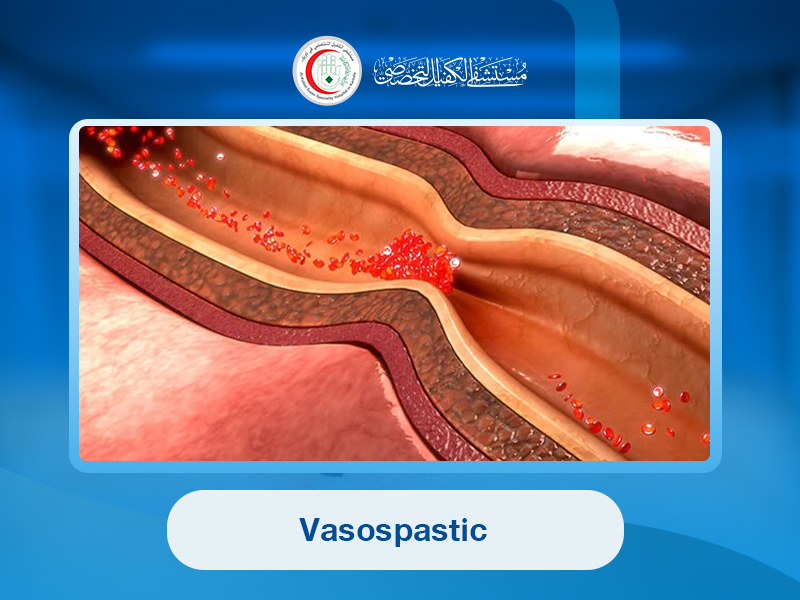
These are a group of conditions characterized by a severe reduction, up to complete absence, of blood supply to the small blood vessels in the palms of the hands and soles of the feet, the ear cartilage (pinna), and the tip of the nose, and in rare cases some internal organs such as the gastrointestinal system, kidneys, reproductive organs, and the brain.
Acute ischemia may result either from Raynaud’s disease, acrocyanosis, or livedo reticularis, but it is most commonly caused by Raynaud’s disease.
Symptoms of Vasospastic Diseases
Symptoms include the following:
1. General symptoms of vasospastic diseases
The main symptoms include:
• Skin ulcers
• Cold skin on fingers or toes
• Skin discoloration
• Skin rash
• Redness or pain when the skin is exposed to heat
2. Symptoms of Raynaud’s disease
The main symptoms include:
• Cold fingers or toes
• Skin color changes in response to cold or stress
• Numbness, tingling, or burning pain when the body warms up or stress is
relieved
3. Symptoms of acrocyanosis
The main symptoms include:
• Blue-colored fingers
• Cold and sweaty hands and feet
• Low skin temperature
• Slow blood flow
• Swelling of hands and feet
4. Symptoms of livedo reticularis
The only symptom is a characteristic skin discoloration consisting of a purplish-red, finely reticulated pattern forming multiple circular shapes on the skin surface.
Causes and Risk Factors of Vasospastic Diseases
The main causes and risk factors include the following:
1. General causes and risk factors
Vasospasms that cause vascular narrowing are usually temporary, although they may occur repeatedly. Sometimes certain medications can cause the condition, including beta-blockers and estrogen therapy.
Other conditions that may underlie vasospastic disorders include:
• Arterial disease
• Connective tissue disorders
• Certain neurological or endocrine problems
2. Causes of Raynaud’s disease
Main causes include:
• Connective tissue diseases: most
people with scleroderma have Raynaud’s
• Arterial disease: including plaque buildup in blood vessels supplying the
heart
• Carpal tunnel syndrome: pressure on a major nerve in the hand causing
numbness and pain
• Repetitive or vibrating work: prolonged typing or piano playing
• Smoking: causes blood vessel constriction
• Injuries to hands or feet: such as wrist fractures, surgery, or frostbite
3. Causes of acrocyanosis
These include:
• Low blood oxygen, often due to
lung disease or smoking
• Connective tissue diseases such as granulomatosis with polyangiitis,
rheumatoid arthritis, and systemic lupus erythematosus
• Tumors such as Hodgkin lymphoma and ovarian cancer
• Occlusive arterial diseases
• Eating disorders and malnutrition
• Blood disorders
• Medications and toxins
• Infections
• Skin diseases
• Genetic diseases such as Down syndrome
• Childhood
• Buerger’s disease
• Spinal cord injury
• Atrophic rhinitis
4. Causes and risk factors of livedo reticularis
These include:
1. Congenital (present at birth)
2. Reaction to certain medications such as amantadine or interferon
3. Other vascular diseases such as polyarteritis nodosa and Raynaud’s phenomenon
4. Blood disorders such as abnormal proteins or increased risk of blood clots
5. Infections such as hepatitis C
6. Paralysis
5. Risk factors for Raynaud’s disease
Main risk factors include:
• Women are nine times more likely
to be affected than men
• Primary Raynaud’s can occur at any age, usually between 15–25 years
• Secondary Raynaud’s usually appears after age 35
• People with diseases such as rheumatoid arthritis, scleroderma, and lupus are
at higher risk of secondary Raynaud’s
• People using medications for cancer, migraines, or high blood pressure are at
higher risk
• People with carpal tunnel syndrome or those using vibrating tools such as
jackhammers are at higher risk
Complications of Vasospastic Diseases
Main complications include:
• Raynaud’s syndrome: fingers and
toes may become abnormally cold, numb, and may turn blue, red, or white
• Chronic frostbite: people who have suffered cold injury to extremities may
continue to experience symptoms
Prevention
Main preventive measures include:
1. Take precautions outdoors
When it is cold, wear a hat, scarf, socks, boots, and two layers of gloves or mittens before going outside. Wear a coat with warm cuffs to prevent cold air from reaching your hands.
2. Warm your car
Turn on your car heater for a few minutes before driving in cold weather.
3. Take precautions indoors
Wear gloves when taking food out of the refrigerator or freezer, and oven mitts when cooking. Some people find it helpful to wear gloves and socks while sleeping during winter.