

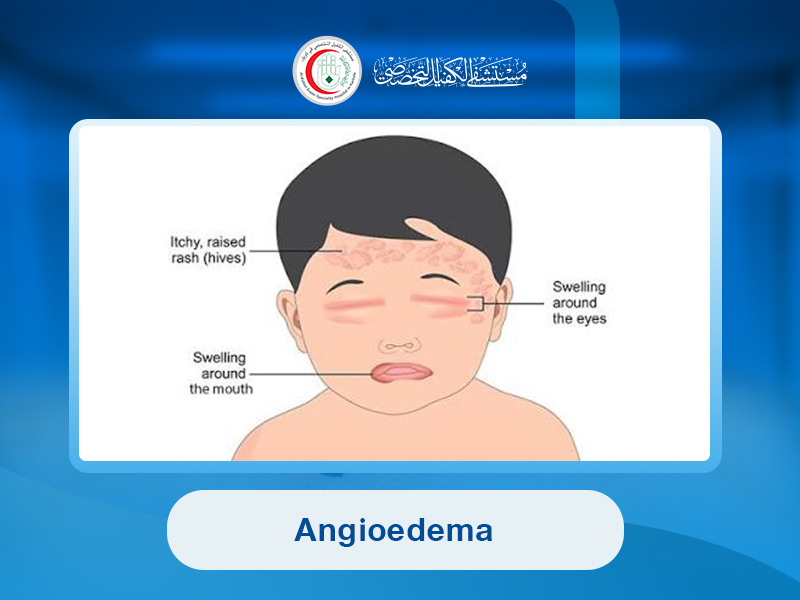
is a condition in which small blood vessels leak fluid into the surrounding tissues, causing swelling. There is no known definitive cure; however, it may be possible to prevent swelling episodes with medications.
Angioedema can affect different organs in the body and may appear as episodes of abdominal pain, nausea, vomiting, and diarrhea due to swelling of the intestinal wall. It can also cause hoarseness and difficulty swallowing, and in some cases may lead to complete airway obstruction, which can be life-threatening. The swelling usually develops over 12–36 hours and resolves within about 3 days.
Angioedema is classified into different types depending on its cause and origin, whether hereditary, acquired, allergy-related, secondary to medication, or idiopathic (unknown cause).
Types of Angioedema
1. Allergic Angioedema
This is the most common type and usually affects people who are allergic to certain foods, medications, insect venom, pollen, or animal dander.
2. Drug-induced Angioedema
Certain medications can trigger angioedema, including angiotensin-converting enzyme (ACE) inhibitors.
3. Idiopathic Angioedema
If the cause is unknown, the condition is considered idiopathic. In such cases, doctors cannot identify a specific trigger after evaluating common causes.
4. Hereditary Angioedema
Some forms are inherited, meaning multiple family members may experience similar symptoms.
Symptoms of Angioedema
1. Skin Swelling Symptoms
Swelling caused by angioedema may appear suddenly or develop gradually over a few hours and typically lasts for several days. It commonly affects:
- Hands
- Feet
- Area around the eyes
- Lips and tongue
- Genital area
- In severe cases, the throat or intestines may be affected
2. Skin Rash
Swelling is often accompanied by a raised, itchy rash called urticaria (hives), which may last for a few days.
3. Other Symptoms
Less common symptoms include:
- Difficulty breathing
- Red, irritated eyes
- Abdominal pain
- Feeling unwell
- Diarrhea
- Dizziness
- Fainting
Causes and Risk Factors of Angioedema
1. Causes
Food
Common food triggers include:
- Shellfish
- Fish
- Peanuts
- Tree nuts
- Soy
- Wheat
- Eggs
- Milk
Medications
Common medication triggers include:
- Penicillin
- Aspirin
- Ibuprofen
- Sodium naproxen (naproxen)
- Blood pressure medications
Airborne allergens
Pollen and other inhaled allergens may trigger angioedema, sometimes along with
upper and lower respiratory symptoms.
Environmental factors
These include:
- Sunlight
- Hot showers
- Pressure on the skin (tight clothing or scratching)
- Emotional stress
- Insect bites
- Exercise
Medical treatments or underlying
conditions
Angioedema and urticaria may sometimes occur after blood transfusions or
infections such as hepatitis or HIV.
2. Risk Factors
- Previous episodes of angioedema
- Other allergic reactions
- Family history of urticaria or angioedema
Complications of Angioedema
Severe angioedema can be life-threatening if swelling causes:
- Blockage of the throat or tongue airway
- Sudden or rapidly worsening breathing problems
- Fainting or dizziness
Diagnosis of Angioedema
1. Physical Examination
A doctor may determine the likely cause by reviewing symptoms and medical history. For example:
- Allergy-related if exposure to a known trigger and associated hives is present
- Drug-related if the patient is using medications such as ACE inhibitors
- Hereditary if there is a family history
2. Allergy Tests
If allergy is suspected, referral to a specialist may be made for:
- Skin prick test
- Blood test for allergen sensitivity
3. Other Tests
If a genetic cause is suspected, a blood test may measure C1 esterase inhibitor levels. Low levels may indicate hereditary angioedema.
Treatment of Angioedema
1. Anti-itch medications
Antihistamines are the standard treatment. They reduce itching, swelling, and allergic symptoms and may be available with or without a prescription.
2. Anti-inflammatory medications
In severe cases, corticosteroids such as prednisone may be prescribed to reduce swelling, redness, and itching.
3. Immune system–suppressing medications
If antihistamines and corticosteroids are not effective, medications that reduce immune system overactivity may be used.
Prevention of Angioedema
The best prevention method is to avoid known or suspected triggers, especially substances that have previously caused angioedema episodes.