

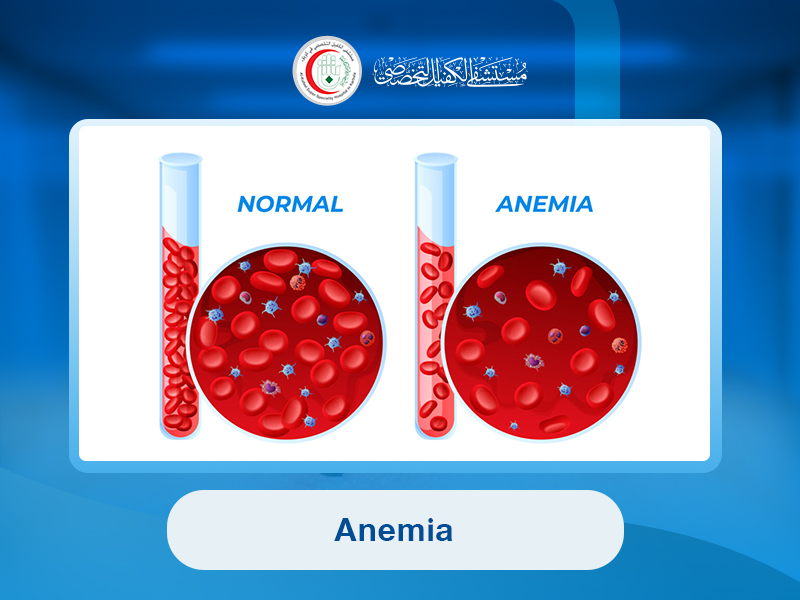
Anemia is a medical condition characterized by an insufficient number of red blood cells to carry oxygen to the body's tissues.
There are several types of anemia, each with its own cause. Depending on the severity of the condition, anemia may be temporary or a long-term health problem.
Anemia is defined as a decrease in one or more measurements related to red blood cells, including:
- Hemoglobin concentration: The amount of hemoglobin, the main oxygen-carrying protein in the blood.
- Hematocrit: The percentage of red blood cells in the total blood volume.
- Red blood cell count: The number of red blood cells present in a specific volume of blood.
Types of Blood Cells
There are three main types of blood cells:
- White blood cells: Help protect the body against infections.
- Platelets: Help blood clot after bleeding occurs.
- Red blood cells: Carry oxygen from the lungs to vital organs and other tissues throughout the body.
Important Information About Hemoglobin
Important facts about hemoglobin include:
- Red blood cells contain hemoglobin, an iron-rich red protein that helps transport oxygen from the lungs to the rest of the body and carries carbon dioxide back to the lungs, where it is removed during exhalation.
- Most blood cells, including red blood cells, are continuously produced in the bone marrow, a soft, spongy red tissue found inside large bones.
- To produce hemoglobin and red blood cells, the body requires iron, vitamins, minerals, proteins, and certain hormones, most importantly erythropoietin (EPO), which is produced by the kidneys and stimulates red blood cell production.
- The average lifespan of a red blood cell ranges from 110 to 120 days.
- When a person has anemia, the body either does not produce enough red blood cells, loses too many of them, or destroys them faster than it can replace them.
Symptoms of Anemia
The appearance of anemia symptoms depends on the severity of the condition, the rate at which it develops, and the body's need for oxygen.
Symptoms are more likely to appear when anemia develops rapidly. If it develops slowly, symptoms may be mild or absent because the body gradually adapts to the condition.
Symptoms of anemia may include:
- Fatigue.
- Pale skin.
- Rapid or irregular heartbeat.
- Shortness of breath.
- Chest pain.
- Dizziness.
- Changes in cognitive function.
- Cold hands and feet.
- Headaches.
- Heart attack in severe cases.
Causes and Risk Factors of Anemia
Causes of Anemia
Anemia can be classified according to its underlying causes:
Iron Deficiency Anemia
Iron deficiency anemia is one of the most common types of anemia, affecting approximately 2%–3% of adults in the United States.
This type occurs because the bone marrow requires iron to produce hemoglobin. Without adequate iron, the body cannot produce enough healthy red blood cells.
Vitamin Deficiency Anemia
The body requires several vitamins, including folic acid and vitamin B12, to produce an adequate number of red blood cells.
An unbalanced diet may reduce red blood cell production. Some people also have difficulty absorbing vitamin B12 efficiently.
Anemia Caused by Chronic Diseases
Many chronic illnesses can lead to anemia, including cancer, acquired immunodeficiency syndrome (AIDS), gout, Crohn’s disease, chronic inflammatory disorders, and kidney failure.
Aplastic Anemia
Aplastic anemia is a rare but potentially life-threatening condition that occurs when the bone marrow loses its ability to produce sufficient blood cells.
The exact cause is often unknown, although it is believed to be associated with disorders that affect the immune system.
Anemia Caused by Bone Marrow Disorders
Several diseases, such as leukemia and myelodysplastic syndromes, can affect the bone marrow and reduce or completely stop red blood cell production.
Hemolytic Anemia
This type of anemia occurs when red blood cells are destroyed faster than the bone marrow can replace them.
Anemia Associated with Certain Diseases
Some diseases can cause excessive destruction of red blood cells. For example, immune system disorders may produce antibodies that attack and destroy red blood cells prematurely.
Sickle Cell Anemia
Sickle cell anemia is an inherited disorder that mainly affects people of African ancestry.
It results from an abnormal form of hemoglobin that causes red blood cells to become sickle-shaped. These abnormal cells die prematurely, leading to chronic anemia.
Risk Factors for Anemia
Risk factors include:
Poor Nutrition
Many diets do not provide adequate amounts of iron, folic acid, and other essential vitamins, increasing the risk of anemia.
Intestinal Diseases and Disorders
Conditions such as Crohn’s disease and celiac disease can interfere with nutrient absorption, leading to vitamin and mineral deficiencies and increasing the risk of anemia.
Menstruation
Women of reproductive age are more likely than men to develop iron deficiency anemia because they lose blood during menstrual periods.
Pregnancy
Pregnant women are at increased risk of iron deficiency anemia because the growing fetus requires iron and hemoglobin for proper growth and development.
Genetic Factors
Some forms of anemia are inherited. A person may be at higher risk if a family member has a hereditary type of anemia, such as sickle cell anemia.
Complications of Anemia
If left untreated, anemia may lead to several complications, including:
- Severe fatigue that interferes with daily activities, work, or play.
- Heart problems, including rapid heartbeat and, in some cases, heart failure.
- Nerve damage, particularly in cases of vitamin B12 deficiency.
- Changes in cognitive function due to vitamin B12 deficiency affecting the brain.
- Death, especially in severe cases such as sickle cell anemia or acute blood loss.
Prevention of Anemia
In some cases, anemia can be prevented through the following measures:
- Eating foods rich in essential nutrients, including iron, folic acid, vitamin B12, and vitamin C.
- Regularly consuming iron-rich foods, especially for high-risk groups such as children, pregnant women, and vegetarians.
- Having routine blood tests every few years, according to a healthcare provider’s recommendations, to monitor overall health and help prevent anemia.