

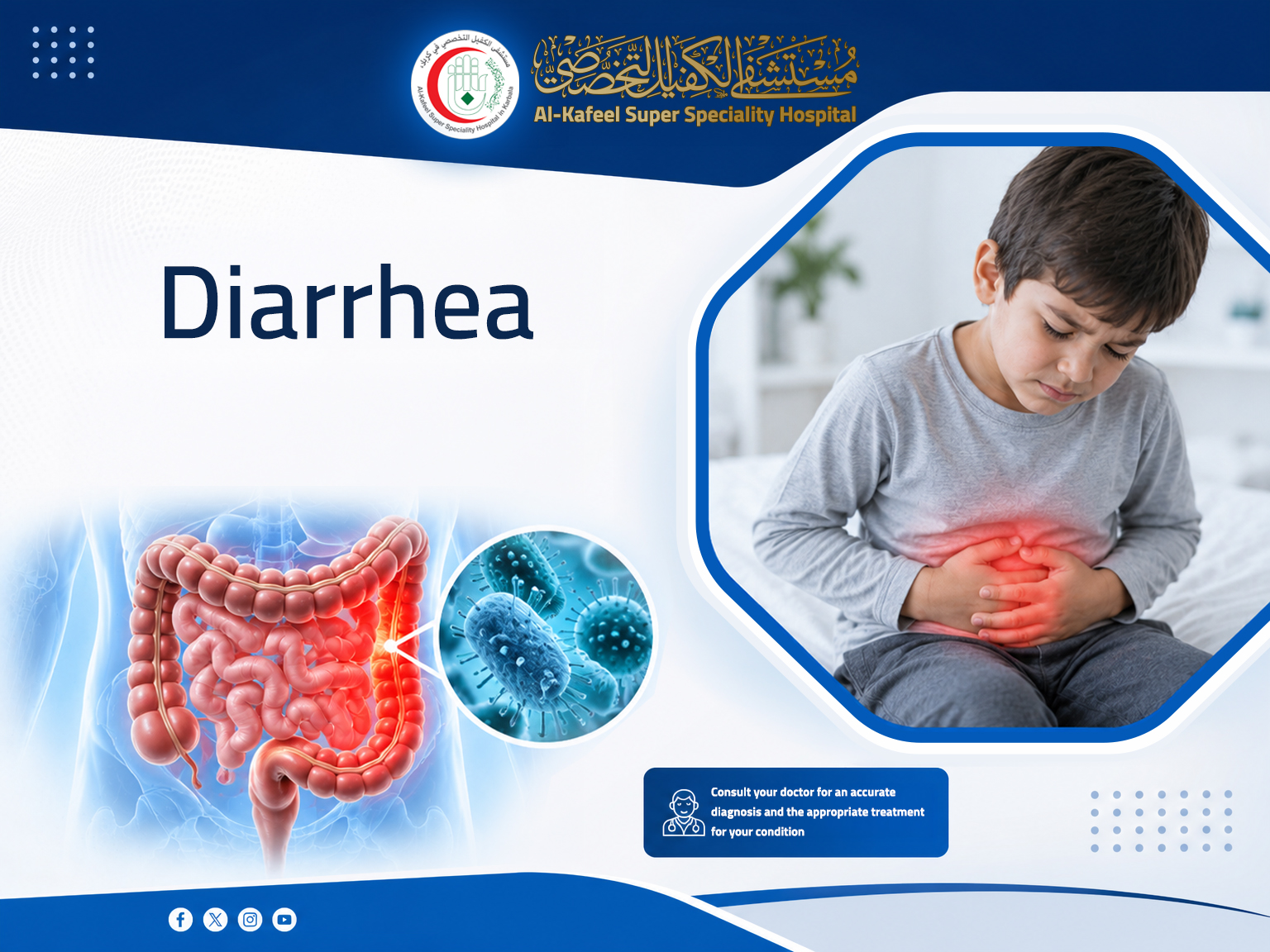
The term diarrhea is used to denote the product of bowel action, meaning watery and loose stools. This phenomenon is very common but not life-threatening, as most people suffer from diarrhea on average once or twice a year.
In most cases, diarrhea lasts for two or three days and is generally treated with over-the-counter medications. There are people who suffer from diarrhea caused by Irritable Bowel Syndrome (IBS) or as a result of another group of chronic intestinal diseases.
Different Cases of Diarrhea
Doctors usually divide diarrhea cases into three groups:
1. Osmotic diarrhea: This means there is an agent that draws fluids from the body into the intestines. A common example of this is diarrhea resulting from eating diet sweets or chewing gum that contains sugar substitutes like sorbitol, which the body does not absorb, causing the body to secrete fluids into the intestines and resulting in diarrhea.
2. Secretory diarrhea: This occurs when the body secretes fluids into the intestines without there being a need to do so. There are many types of infections, medications, and different diseases that can cause this type of diarrhea.
3. Exudative or bloody diarrhea: This occurs when there is blood and pus in the stool. This type of diarrhea appears in patients with inflammatory bowel diseases such as Crohn's disease or ulcerative colitis, and in various intestinal infections.
Symptoms of Diarrhea
The symptoms associated with diarrhea can be divided into two categories: mild diarrhea and acute diarrhea; the appearance of acute diarrhea may be an indicator and evidence of the presence of another more severe and dangerous disease.
Symptoms of acute diarrhea can include:
Swelling in the abdominal cavity or intestinal cramps.
Loose stool.
Watery stool.
An urgent feeling of the need to have a bowel movement.
Feeling nauseous and vomiting.
In addition to the above, symptoms of acute diarrhea may also include the following side effects and symptoms:
The presence of blood, mucus, or improperly digested food in the stool.
Weight loss.
Fever.
Causes and Risk Factors of Diarrhea
The most common cause of diarrhea is a virus that infects the intestines; this infection generally heals spontaneously after two or three days and is sometimes called intestinal flu, stomach cold, or gastroenteritis.
The causes of diarrhea may result from:
An infection caused by a bacterium, which is the main cause of most cases of food poisoning.
· Infections caused by other living organisms.
· Eating foods that irritate the digestive system.
· Allergy to specific types of foods.
· Certain medications.
· Radiation therapies.
· Intestinal diseases such as Crohn's disease or ulcerative colitis.
· Intestinal failure, when the body is unable to effectively absorb certain foods.
· Hyperthyroidism.
· Certain types of cancer.
Misuse of some substances that cause diarrhea.
Surgeries in the digestive system.
Diabetes.
Diarrhea can also occur following constipation, especially
in people suffering from irritable bowel syndrome, which is one of the
important causes of diarrhea to know.
Complications of Diarrhea
Continuous diarrhea causes the loss of large amounts of fluids and essential nutritional compounds for the body. If someone suffers from loose and watery stool more than three times a day and does not drink enough fluids, they may become dehydrated, which leads to acute complications that pose a threat to life if not treated properly.
The treating doctor should be informed in the event of continuous diarrhea accompanied by one of the following signs and symptoms:
Dark-colored urine.
Passing small amounts of urine when urinating.
Rapid heartbeat.
Headache.
Dryness in the skin.
Feeling distressed and restless.
Confusion.
Diarrhea in Children
Diarrhea in children that has led to dehydration may be accompanied by one or more of the following signs and symptoms:
Dryness in the mouth or on the tongue.
Sunken eyes or cheeks.
Absence or decrease in the amount of tears.
A decrease in the number of wet diapers.
Restlessness or apathy.
The skin remains wrinkled after pinching it instead of returning to its smooth state.
Diagnosis of Diarrhea
The diagnosis includes the following:
Blood test: A complete blood count test can help determine the cause of diarrhea.
Stool test: Your doctor may recommend a stool test to see if bacteria or parasites are causing the diarrhea.
Flexible sigmoidoscopy or colonoscopy.
Treatment of Diarrhea
When someone suffers from mild to moderate diarrhea, they can usually wait for it to resolve on its own without additional treatment. Alternatively, diarrhea can be treated with over-the-counter medications.
Drug Therapy
It includes treatment that can be obtained in liquid form or tablets prescribed by a specialized doctor.
Tips for treating diarrhea
Some methods that can help in treating diarrhea include:
You should drink at least six cups of fluids, each with a capacity of 250 milliliters, per day.
You can drink juice that does not contain fruit pulp pieces, caffeine-free carbonated drinks, fat-free chicken soup, tea with honey, and energy drinks.
Instead of consuming drinks together with food, one should get used to drinking them between meals.
Drinking small amounts of fluids on a consistent daily basis.
Prevention of Diarrhea
The main measures for preventing diarrhea include the following:
Having access to clean drinking water.
Washing hands with soap.
Breastfeeding in the first six months of the infant's life.
Good personal and food hygiene.
Health education on how infection spreads.